
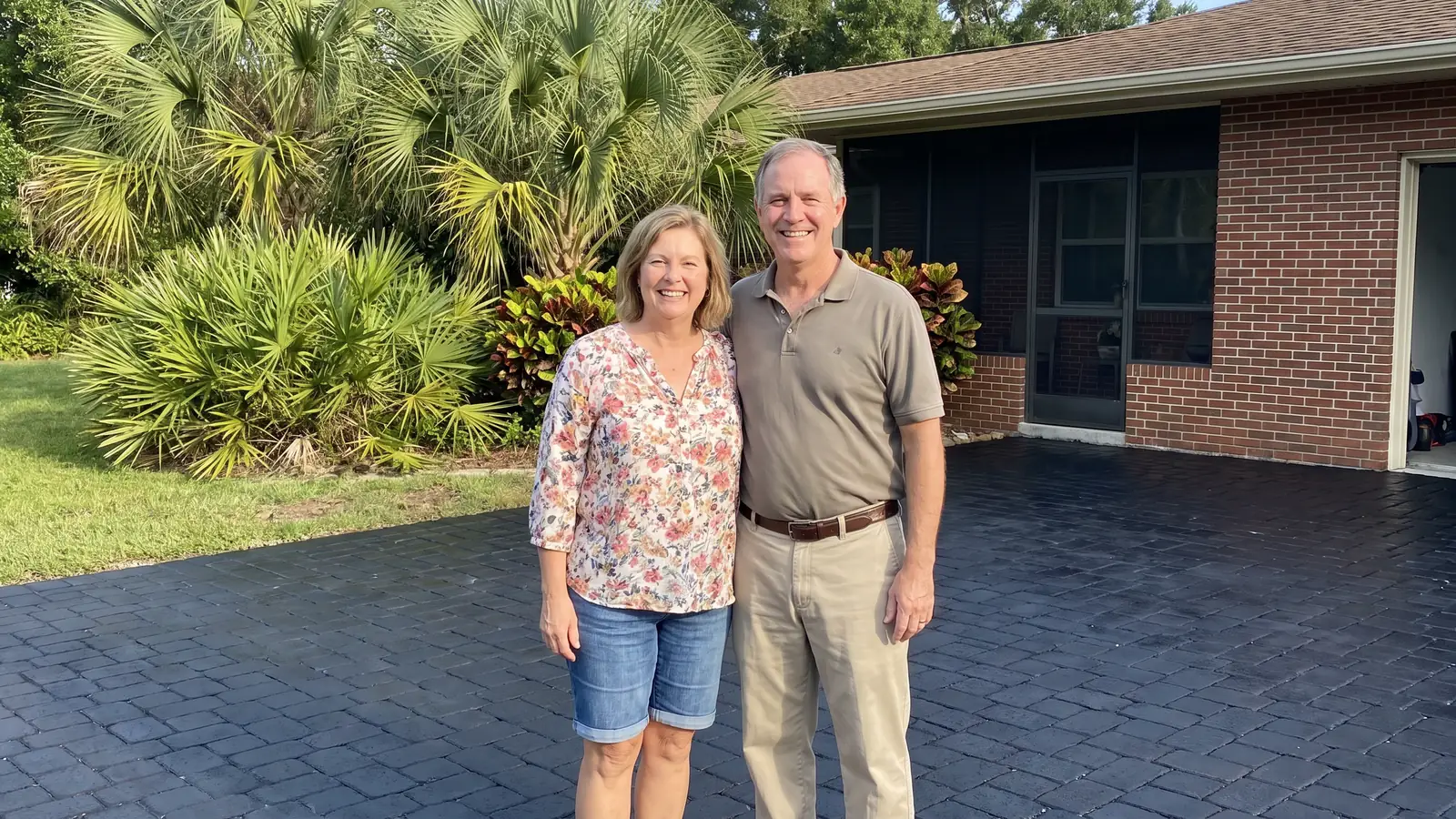
Paver sealing for Arlington Hills homes
Paver Sealing in Arlington Hills, FL
Arlington Hills driveways that have carried cars since the 1950s can look fresh again, so call (904) 479-2177 now.
- Brings out deeper paver color
- Fresh joint sand helps lock pavers in place
- Gives weeds less room to grow
- Makes the surface easier to keep clean
- Free estimate, no obligation
Request a Free Estimate
Free, no obligation.
Fast, careful paver sealing in Arlington Hills
Paver sealing is available in Arlington Hills, from the older streets near Terry Parker High School to the ones closer to the St. Johns River. Washing, fresh sand and a protective coat for driveways, walkways and patios come from a local contractor, and the estimate is free. After you ask for a free estimate, the reply arrives within 1 business day, usually much sooner.
Maybe your driveway has gone dull and gray, with dark patches where the car sits and thin grass in the seams. The edge by the lawn looks the worst. A fresh wash, new sand and a clear coat can bring the color back and tighten the joints. If you would rather start with a conversation, call (904) 479-2177 and tell the contractor what your pavers look like now.
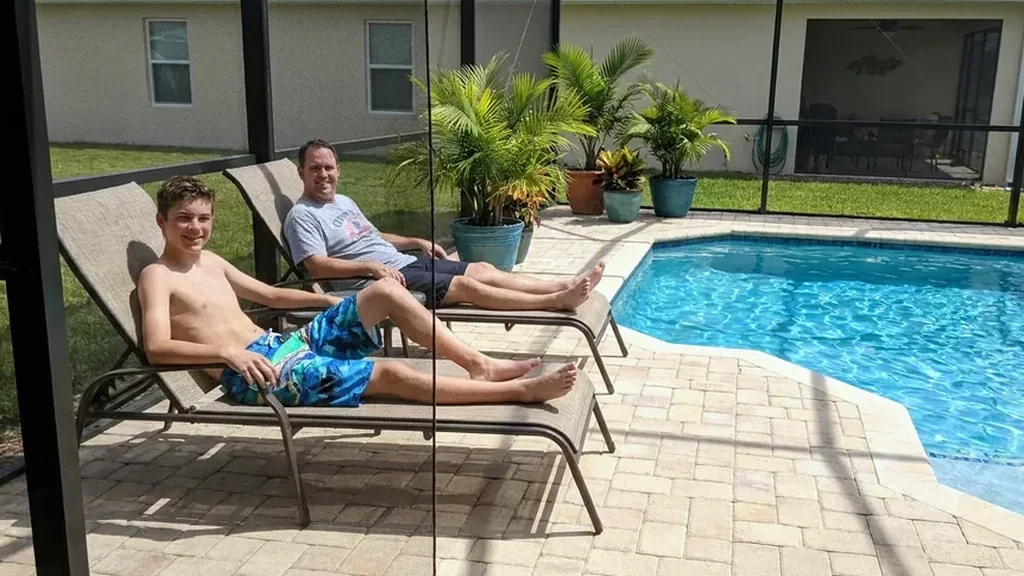
Why hire a local paver sealing contractor in Arlington Hills?
Arlington Hills homes were built over four decades, and that mix of ages, owners and past repairs is why many people here want a local paver contractor. To find out what your lot needs, ask for a free estimate.
Free estimate, no pressure
The contractor looks at your Arlington Hills driveway, walkway or patio at no charge. You get a price and then decide.
A range you can check
Companies around Northeast Florida commonly publish $1.75 to $3.25 per square foot to clean, sand and seal. Compare any bid with it.
Pick the finish
Matte keeps the natural color. A wet look deepens it but shows scuffs sooner, which matters on a driveway used daily.
Answers before the date
Ask about old sealer, drying time and joint sand while the estimate is still free. You commit to nothing until you say yes.
Get Your Free Estimate in Arlington Hills
Tell us about your pavers in Arlington Hills.
Free, no obligation
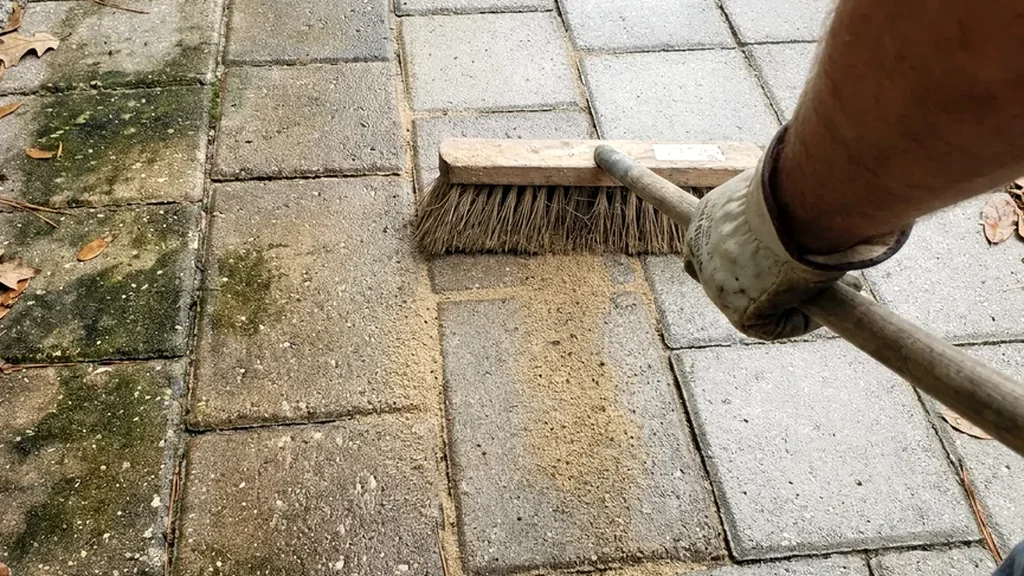
What paver problems show up most in Arlington Hills?
Damp air from a tidal river
The St. Johns near Arlington is not a quiet lake. The river district calls it an estuary open to the ocean, with tides that reach more than 100 miles upstream and nor'easters that can raise the water several feet. Homes near Lions Club Park and Blue Cypress Park sit beside that water, and the air there carries it. Pavers there can stay damp longer after a storm or a heavy morning dew, which pushes green film along and stretches the drying time before sealing. A river-side driveway may need a longer rest between wash and coat than one farther inland.
Driveways that have carried cars since the 1950s
Arlington was built for the automobile, and Arlington Hills homes date from 1951 to 1990. A Jacksonville company explains that weight and turning tires loosen joint sand and let pavers creep and settle. Near the garage door, where wheels turn the most, you may see a low spot or a wide seam. Those get repaired before sealing, because sealer only preserves what is under it. A reset takes extra time, so mention it when you ask for a quote.
Sealer from several owners ago
A house that is 40 or 60 years old has had a string of owners. Any of them might have hired someone to seal the pavers, and nobody kept the product name. Water-based sealer cannot go over solvent-based sealer, which makes an unknown coat the first question on any job. A sheen that has turned cloudy or patchy is a clue worth showing the contractor. Photos of the surface after rain can help too.
Sand that leaves with the rain
Sandy ground is the rule across Duval County, where one USDA soil series runs fine sand past 80 inches down. Rain adds up to roughly 52 inches a year, much of it in sudden summer storms. Seams that lose sand open wider, and weeds move in. A contractor refills the joints before sealing so the coat can hold the new sand in place. So every job refills the seams first.
Finish rules from an association
Some Arlington Hills streets may sit under association covenants. Florida law lets an association control the look of improvements only as far as its own documents say. A glossy wet look that shifts the color of a driveway might need a quick read of those papers. Check your guidelines first, then pick between matte and wet look with the contractor. A matte finish rarely raises questions. A quick read of your papers now avoids a surprise later.
What kind of homes and pavers does Arlington Hills have?
Mostly mid-century homes, since the neighborhood dates to 1954 and its houses were built between 1951 and 1990. Sizes run from about 925 to 2,350 square feet, with two to five bedrooms, in single-family and attached styles. That age range means pavers of many ages and many past sealers. Tell the contractor roughly when your house was built when you ask for a free estimate.
Arlington itself took off after the Mathews Bridge opened in 1953, with H. Terry Parker buying land there from around 1943 and holding 1,800 acres by 1959. In 1955 he donated thirty acres for what became Terry Parker High School. Call (904) 479-2177 and describe your driveway, and the contractor can plan around the surface, the age of the house and the finish you want.
Attached homes share walls, drives and sometimes walkways. If you own a townhome or a unit, ask your association who handles shared paving before you book. Owners of single-family homes decide for themselves, within any covenants. When you know who decides, ask for a free estimate and ask for a look at the surface.
What does paver sealing cost in Arlington Hills?
Pages from Northeast Florida companies show $1.75 to $3.25 a square foot for a clean, sand and seal job. In Arlington Hills, the state of the joints, any old coat that must come off and the total area move a quote inside that span. Stripping an old coat before resealing raises the price over a first coat, per one company. If you want a price on your drive, ask for a free estimate.
Size and layout matter too. A wide two-car apron, a walkway and a rear patio add up fast, even at a steady rate. Tight side gates and landscaping close to the edges add prep time. Describe your lot to the contractor at (904) 479-2177, and nothing is booked until you say so.
| Paved area | Typical example | Clean, sand and seal |
|---|---|---|
| 300 sq ft | Small patio or walkway | $525 to $975 |
| 600 sq ft | Two car driveway | $1,050 to $1,950 |
| 1,000 sq ft | Large driveway or pool deck | $1,750 to $3,250 |
| 1,500 sq ft | Driveway plus pool deck | $2,625 to $4,875 |
Math based on the $1.75 to $3.25 per square foot that Northeast Florida paver companies publish. Your contractor sets the actual price after seeing the surface. Repairs, leveling and stripping failed sealer are usually extra.
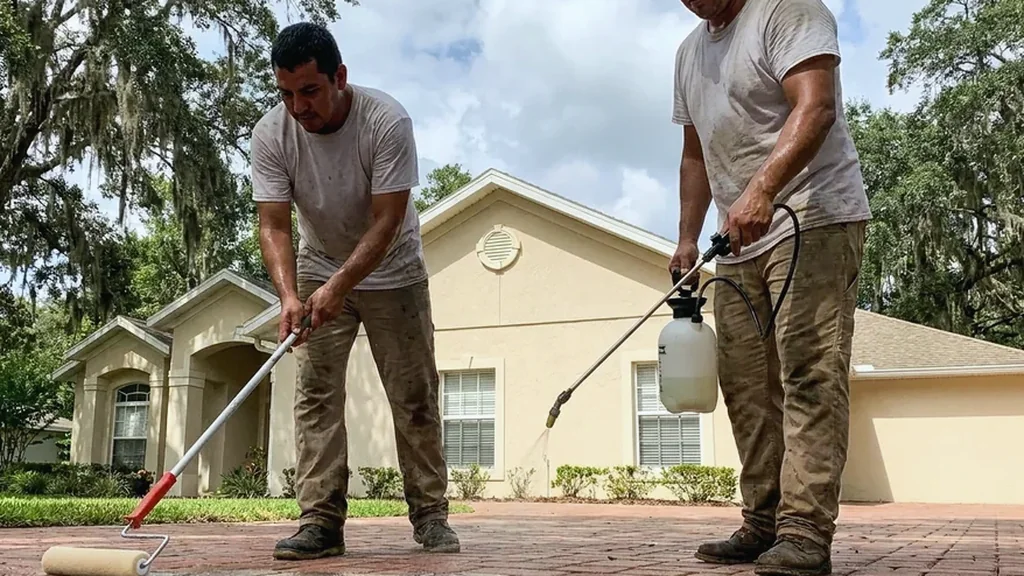
How does a paver sealing job work in Arlington Hills?
Look over the surface and ask about the past
The contractor starts by walking the driveway and walkway, noting low spots, wide seams and oil marks. Weight and turning tires tend to move pavers near the garage, so that area gets extra attention, along with the apron where the drive meets the street. You will be asked about past sealing, and saying you do not know is a fine answer. In that case the contractor checks how the surface takes water and how the old coat looks. Take a photo of any low spot before the visit.
Repair what has shifted
Pavers that have sunk or lifted get reset before the job moves on to sealing. A Jacksonville company says sealing preserves a dip, so leaving it only locks the problem in. The reset also gives the joints something solid to hold sand, and it keeps water from pooling. Plan on this step adding a little time on an older driveway, and ask whether it changes your quote.
Wash, then fill the joints
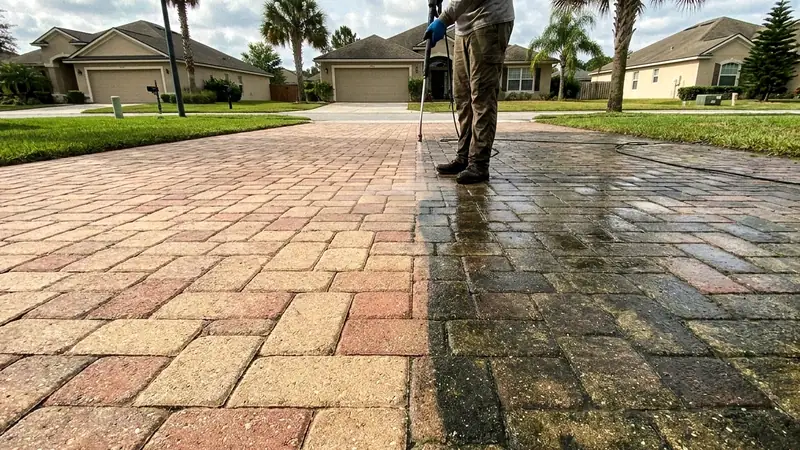
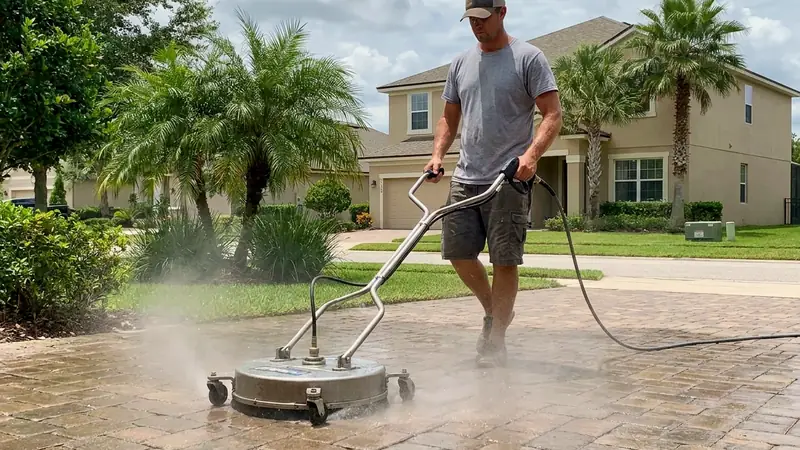
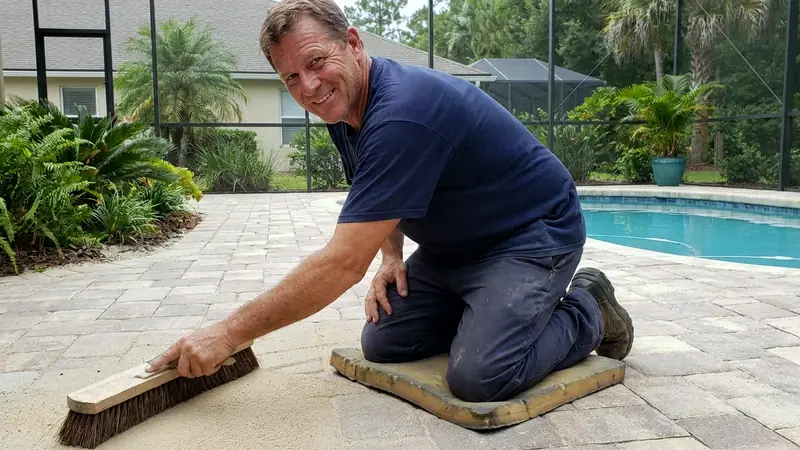
Cleaning lifts the gray film, the oil darkening where cars park and the green that river-damp air brings. High pressure can loosen joints, so the contractor sets the wash with care and keeps the spray moving. Once the pavers are clean, fresh sand goes back into every seam and the surface is swept. Sealer needs a dry surface, so the drive then rests.
Choose the sealer and the finish
A trade guide separates film-forming sealers, which sit on top, from penetrating ones that soak in and keep the look unchanged. Film-formers come in matte, satin or wet look finishes. Wet look finishes show scuffs sooner while they deepen color. Quotes of two to five years between coats are common, so ask which type suits your drive.
Seal on a dry day and keep off
Spring and fall are often the steadiest stretch for sealing around Jacksonville, one company says, and summer storms can push a date. Sealer goes on only when the pavers are fully dry, which can mean waiting out a damp morning. One Jacksonville company says foot traffic is usually fine in a few hours and cars stay off about a day. Park on the street until the contractor says the coat has set, and keep sprinklers off the drive for that time.
Complete paver services in Arlington Hills
On an Arlington Hills driveway the work runs in this order: repair, wash, re-sand, rest and coat. Each step sets up the next. Skip the repair or the sand and the coat fails early, which leaves the surface patchy within a season. Ask how long it all takes on your lot by calling (904) 479-2177.
Driveways get the most punishment, since tires and parked cars load them daily. Front walks and patios see lighter use but pick up splashes from sprinklers and rain. A pool deck needs extra drying time and often a coat that keeps grip when wet. List what you have when you ask for a free estimate.
Sealers fall into two broad kinds. Film-formers sit on top and help hold the sand, while penetrating types soak in and leave the surface looking untouched. A trade supplier says film-formers can need a new coat in two to three years on busy drives. To compare them for your house, call (904) 479-2177.
River air and the calendar both shape the schedule. Most of Jacksonville's rain falls between May and September, so a dry stretch in spring or fall is easier to find. Homes near the St. Johns may stay damp after a storm. To pick a date, ask for a free estimate.
Questions to ask before you hire
- Do you fill the joints with new sand after the wash?
- Can you protect my shrubs and the edge of the lawn while you spray?
- Can you show me a finished driveway before I sign anything?
- What happens if a rain shower hits the same afternoon?
- Do you charge more for steps, curved borders and pool coping?
- Do I need to move the grill and chairs, or will you?
- Will you tell me which sealer goes on and how many square feet it covers?
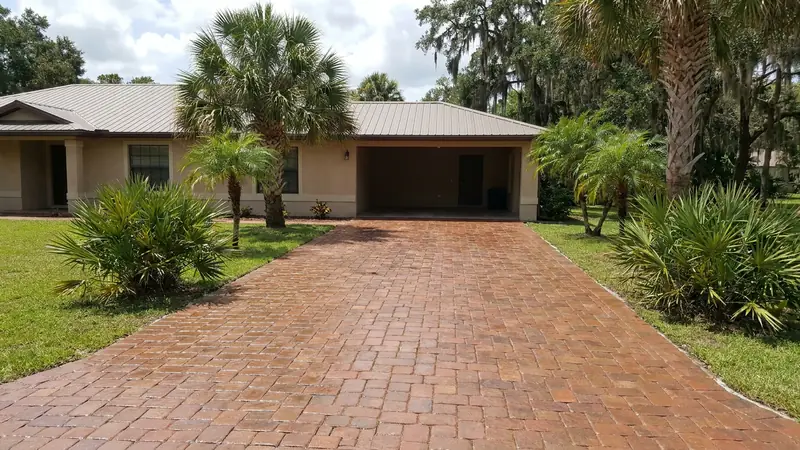
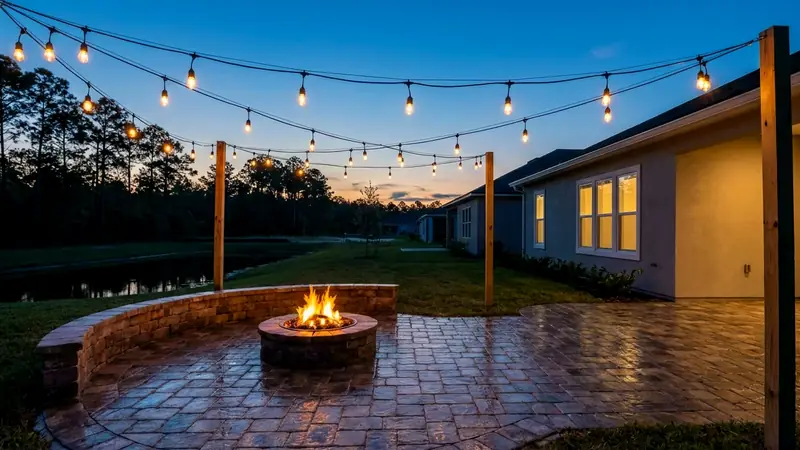
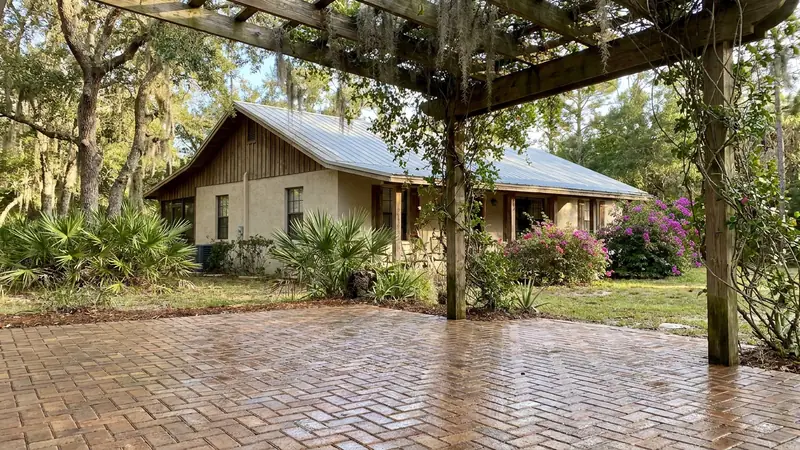
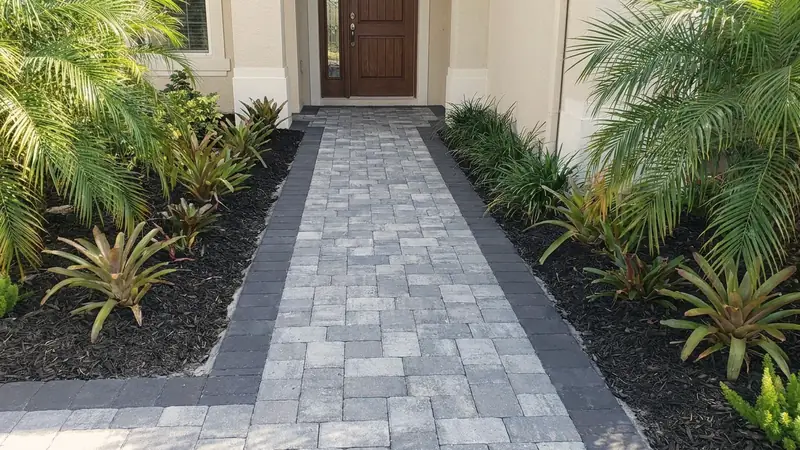
What do sealed pavers look like around Arlington Hills?
Why local matters in Arlington Hills
A contractor who knows Arlington Hills knows that the homes are old enough to have seen repeated sealing and repair on the same pavers. That history hides from the curb. Asking about it up front saves a coat that peels. For a contractor who works east Jacksonville, call (904) 479-2177.
River habits matter in this part of town. The St. Johns is tidal for more than 100 miles upstream, and a nor'easter can push the water up by several feet. Plans for washing and drying have to allow for that damp air. Ask how a wet week would be handled when you ask for a free estimate.
Neighborhood rules count as well. Where an association has published guidelines, a finish that changes the color may need checking against them. A local contractor hears that question often and can lay out the options. If you are unsure whether your street has covenants, ask for a free estimate and ask what to look for.
What landmarks help place Arlington Hills on the map?
Terry Parker High School, named for the land developer who donated thirty acres for it in 1955, is one anchor for the neighborhood. Regency Square Mall opened in 1967 and the Dames Point Bridge ties Arlington to the Northside. Those landmarks tell you the area grew with the car, and its driveways were laid out for it. If you live near any of them, ask for a free estimate and mention the street.
Closer to the water, Arlington Lions Club Park sits along the St. Johns at 4322 Richard Denby Gatlin Road, in ZIP 32277. The city developed it in three phases from 1982 to 1989, and a long boardwalk runs from it to Blue Cypress Park. Blue Cypress was an 18-hole golf course until the city bought it in 1994. Near the river, call (904) 479-2177 and ask how the contractor handles damp ground and a slow-drying driveway.
Frequently Asked Questions
How much is paver sealing per square foot in Arlington Hills?
Expect $1.75 to $3.25 for each square foot of a clean, sand and seal job in Northeast Florida. Old sealer, lost joint sand and the size of the area move an Arlington Hills quote within it. Get the total square footage in writing so bids line up. A bigger area usually lowers the rate per foot, and pool decks count in the total.
Is it good to seal pavers in Arlington Hills, Florida?
Yes for most Arlington Hills driveways, because rain and sun wear unsealed joints and fade color. A coat holds the sand in the seams and makes the surface easier to keep clean. The cost is upkeep, since a coat wears and needs renewing. Choose wet look for shine or matte for a calm tone.
How long do paver sealers last in Arlington Hills?
In Northeast Florida the usual quote is two to five years before the next coat. A busy driveway sits toward the short end, and one trade supplier says film-formers can need a coat every two to three years in high-traffic areas. A shaded walkway with light use can go closer to 24 to 36 months or longer, a Jacksonville company says.
What paver sealer works best for Arlington Hills homes?
No single product fits every job. Film-forming sealers sit on top and help hold joint sand, and penetrating ones soak in and leave the look unchanged, which suits people who want no sheen. Water-based sealer cannot go over solvent-based sealer, so the old coat decides what can go on.
Do my Arlington Hills pavers need repair before sealing?
If they have sunk or lifted, yes. A Jacksonville company says sealing preserves any dip, so the reset comes first. Tell the contractor about low spots near the garage, where tires turn, and about any pavers that rock when you step on them.
Can I seal over a coat that has turned cloudy?
Not without a look. Cloudy sealer can come from trapped moisture or an old coat that has failed, and failed sealer often has to be stripped. The contractor will check how it takes water and tell you what is under it. Strip-and-reseal costs more than a plain recoat.
How long should I stay off pavers after sealing in Arlington Hills?
Walking is usually fine after a few hours and driving waits about a day, one Jacksonville company says. A cooler or damp day can stretch that time. Ask the contractor for the exact wait for the product used on your drive, and plan your parking before the day.
Does my Arlington Hills association need to approve a new sealer finish?
Check your documents first, since rules differ from street to street. Florida law lets an association enforce the look of improvements only as far as its declaration or published guidelines say. If yours mention paving color or sheen, ask before choosing a wet look. A matte coat is the safer pick when the papers are vague.
Do tides and the St. Johns River affect paver sealing in Arlington Hills?
They can, mostly through damp air and slower drying near the water. The river district calls this stretch an estuary, with tides reaching more than 100 miles upstream and nor'easters that can raise the water several feet. Homes near Lions Club Park or Blue Cypress Park may need a longer rest between washing and sealing.
Is it worth sealing a driveway on a house built in the 1950s?
Often, provided the pavers are sound. Homes here date from 1951 to 1990, so a drive may have seen many seasons and several owners. Reset any sunken pavers, refill the joints and seal, and the surface can look cared for again. Tell the contractor the age of the house and any past work.
Ready for a Free Estimate in Arlington Hills?
Call (904) 479-2177 and tell us about your pavers.
Free, no obligation