
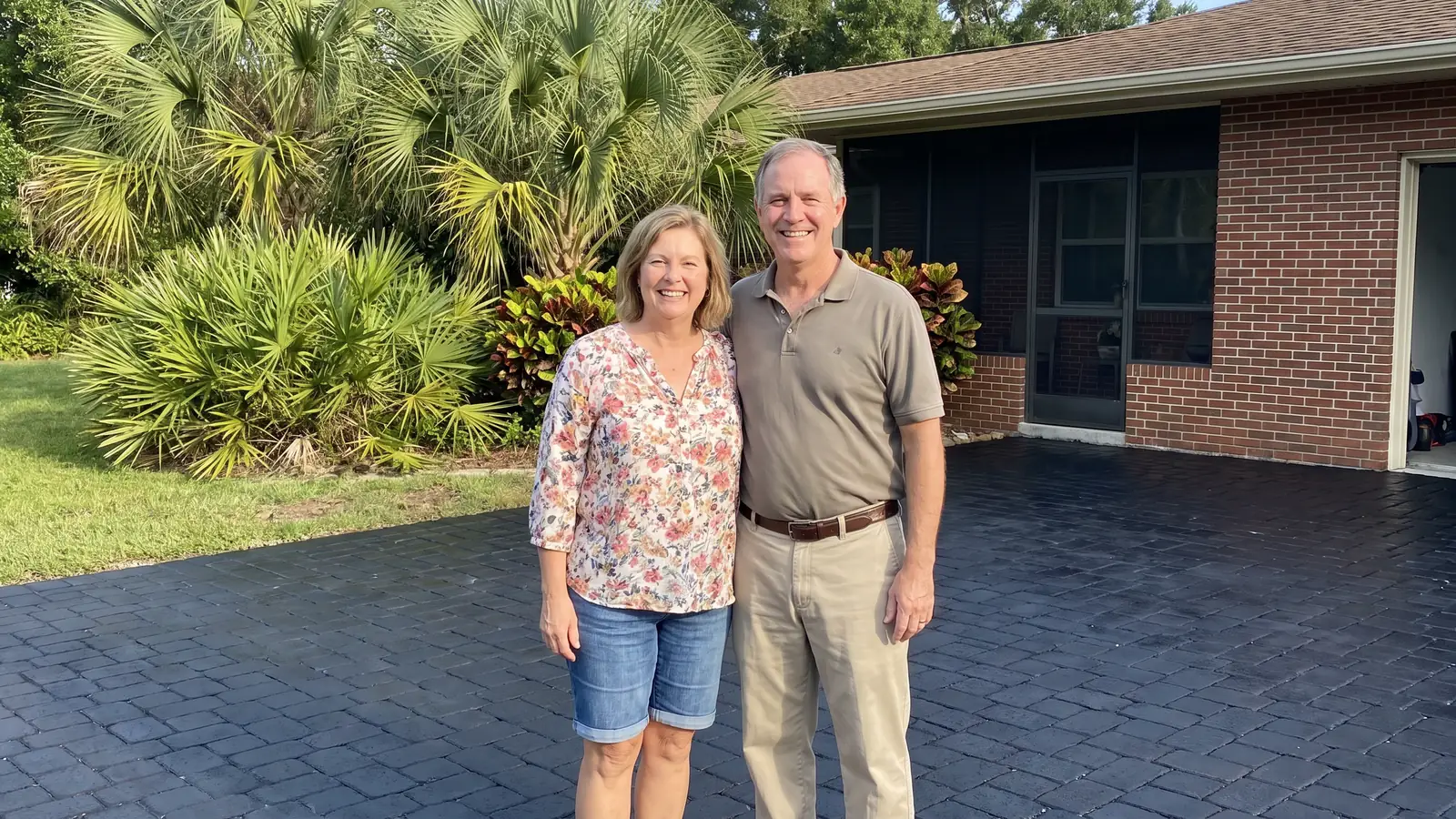
Deeper color and joints that stay put
Paver Sealing in Highlands, FL
Free paver sealing estimates for Highlands driveways, patios and pool decks start with a call to (904) 479-2177.
- Brings out deeper paver color
- Fresh joint sand helps lock pavers in place
- Gives weeds less room to grow
- Makes the surface easier to keep clean
- Free estimate, no obligation
Request a Free Estimate
Free, no obligation.
Who can seal pavers at my Highlands home?
A local contractor seals pavers across Highlands, FL, and you get a reply within 1 business day, often much sooner. The estimate is free, and the booking decision is yours. To begin, call (904) 479-2177.
Sealing deepens color, holds the joint sand in place and helps dirt and mildew rinse off. Imagine your driveway after a humid summer, gray at the borders and sandy at the seams, then dark and even again with each joint packed. Tires and oil punish a driveway, while splashing and bare feet wear a pool deck, so every area earns its own plan. Explain how each area is used by the household when you ask for a free estimate.
Paver Sealing Highlands Is Proud to Serve Northeast Florida
What is included when pavers are sealed in Highlands?
Sealing a driveway or patio takes a walk-through, a deep clean, new joint sand and then the coat itself. Cleaning usually eats the most hours. To review them for your home, call (904) 479-2177.
Walk-through
The contractor logs square footage, sunken spots, broken pavers, old sealer and standing water before setting a price.
Deep clean
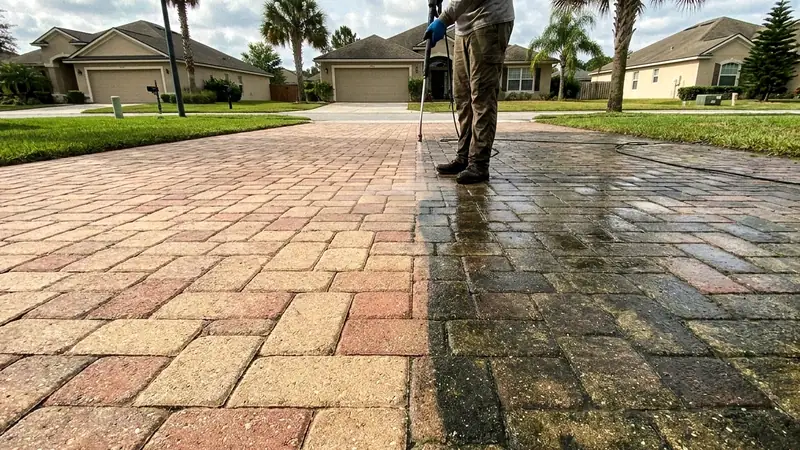
Mildew, rust, leaf stains and dirt come off with cleaners made for concrete pavers and a low pressure wash.
Joint sand
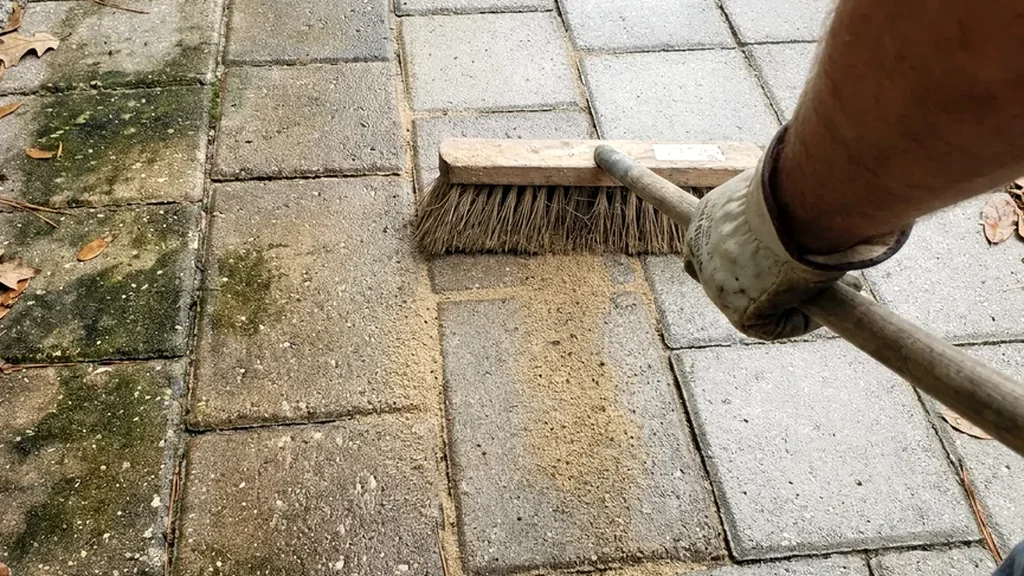
Kiln dried sand packs each gap so the pavers interlock and weeds find less room.
Sealer coat
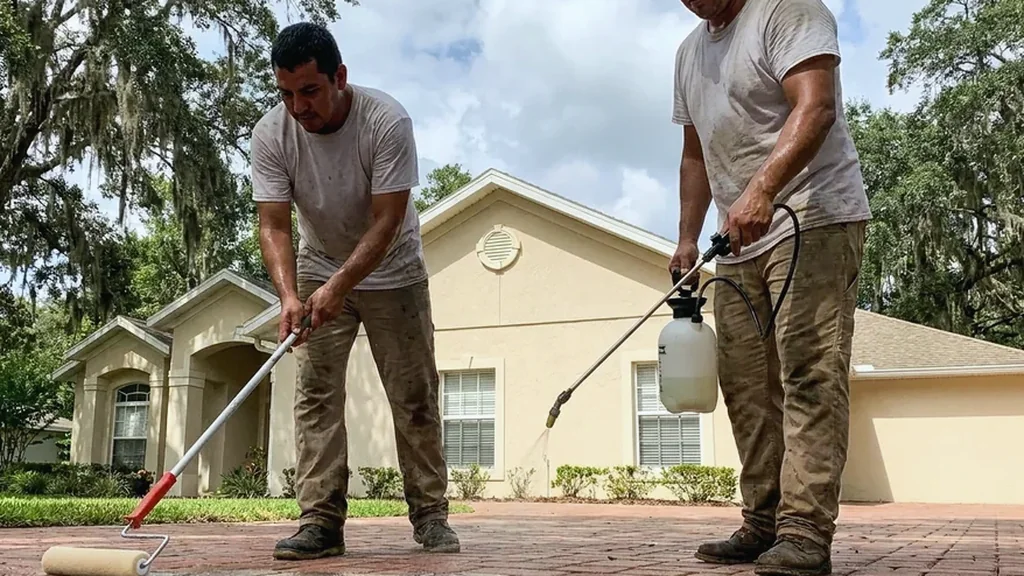
Sealer goes onto dry pavers in a single session, then a dry roller smooths the surface.
How can I tell my pavers need sealing?
Watch for chalky color, joints that sit below the paver edges, sand scattered over the driveway after a storm and water that sinks in instead of beading. A Northeast Florida paver company says fast absorption means a new coat is due. Adding sand early is cheaper than relaying pavers that have wandered out of line. For a quick opinion, call (904) 479-2177.
Which paver sealer works well in Florida humidity?
No single product suits every home, so ask which sealer the contractor plans to apply and why. One Northeast Florida paver company offers four finishes, from high gloss wet look to natural matte, plus a penetrating product for natural stone. Unilock adds that solvent based sealers last about four to five years but need pavers and joints that are perfectly dry. To weigh options for your surface, call (904) 479-2177.
Sealers fall into two families. A film-forming product builds a layer over the surface, costs more and gives the wet look, while a penetrating product soaks in, costs less and wears out sooner, according to a Northeast Florida price guide. That guide leans toward penetrating sealers around pools. Find out which product goes on each area when you ask for a free estimate.
Wet look or natural finish: which suits my home?
Pick wet look for rich, dark color with some shine, or natural matte to stay near the original appearance. Unilock says high gloss can get slippery when wet, so a lower sheen is often wiser beside a screened pool. In a community with an association, check whether glossy sealer needs approval. To compare samples, ask for a free estimate.
How often should pavers be resealed in Highlands?
Each coat tends to last somewhere from two to five years. A Northeast Florida paver company quotes that span, and Unilock says many homeowners reapply every three to five. A local washing company calls two to three years typical, since full sun, pool chlorine and storms wear coats down sooner. To have your coat inspected, call (904) 479-2177.
Will extra coats of sealer protect pavers longer?
No. A heavier layer does not last longer. Unilock ties too much sealer to a whitish film and uneven gloss, and it advises saturating pavers in one session instead of layering over a single spot. One thin, even coat at the label rate is enough, so when a quote pushes three or four coats as added protection, ask why before you ask for a free estimate.
When is a good time of year to seal pavers in Highlands?
Forecasts matter more than calendars. Rain is heaviest from May through September, so a dry spring or fall stretch gives sealer a fair chance to cure, and one Northeast Florida washing company favors fall. Brand new pavers should also wait out efflorescence, which Unilock puts at 60 to 90 days. If yours are newly installed, mention it when you call (904) 479-2177.
Unilock wants 24 to 48 hours of clear skies before sealing, up to 48 hours of dry weather afterward and temperatures from 50 to 90 degrees, with about 75 ideal. Hot pavers risk stains or early peeling, and the sprinklers stay off until the coat cures. A summer storm may shift the date by a few days. For a date that suits the weather, ask for a free estimate.
Can sealing fix pavers that have sunk or spread apart?
No. Sealer cannot lift a low paver or close a gap, and Unilock says it will not repair drainage or base trouble. Pavers that rock beneath a car or collect puddles need the base fixed first, and joint sand only holds once they sit level. Find out whether leveling is built into the price when you ask for a free estimate.
Which areas around a Highlands home can be sealed?
Driveways, screened pool decks, back patios and front walks all accept sealer. They wear in different ways, so each deserves its own plan. Start with the area that worries you most, then ask for a free estimate.
Driveways
Tires, oil and hours of direct sun hit the driveway before anything else. Sealing this area pays off most at the turning spots where joints work loose.
Screened pool decks
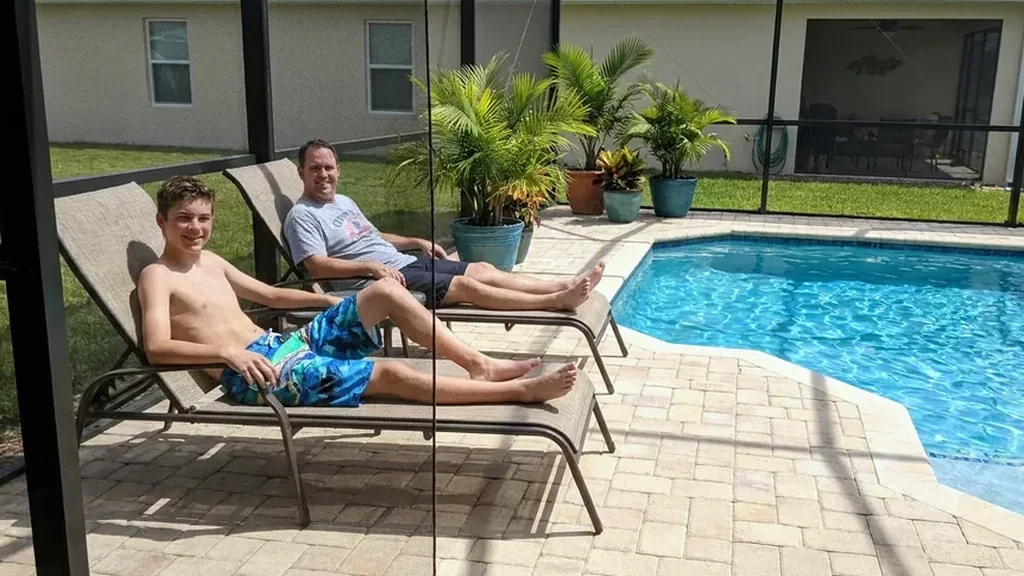
Chlorine, splashing and bare feet wear a pool deck down every day. Sealing the deck should keep it grippy, not glassy.
Back patios
A patio under oaks or along a fence stays damp and collects fallen leaves, which gives mildew a head start. These spots tend to need the longest scrub.
Front walks and entries
Walks collect mulch, soil and drips from potted plants. Sealing the entry walk is a small job that each visitor sees first.
What causes paver trouble around Highlands?
Five culprits show up again and again: sand lost in storms, mildew in thick air, orange sprinkler marks, sun fading and cloudy old sealer. All of them cost less to handle early. Not sure which of these apply? Call (904) 479-2177.
1. Sand pulled out by summer storms
A Northeast Florida washing company says summer storms drag sand from pool decks and driveways, and the rainy season lasts from May through September. When joints run low, pavers start to shift and weeds root in.
2. Mildew in thick air
Highlands has a humid subtropical climate and about 52 inches of rain a year. Shaded corners and damp walks turn green or black, and a slick surface raises the risk of a fall.
3. Orange marks from sprinklers
That same company blames iron in irrigation water for orange marks and says extra pressure only makes things worse. A rust treatment lifts them, and it has to happen ahead of any coat.
4. Fading under full sun
July afternoons average a high near 92 degrees, and an open driveway absorbs that sun from morning on. Bare color goes chalky first there, and strong sun can pull a reseal closer to two years.
5. Sealer that has gone cloudy
A whitish film shows up when moisture gets trapped or too much product is laid on. Failed sealer comes off before a new coat, since covering it only locks in the problem.
What does paver sealing cost in Highlands?
Expect about $1.75 to $3.25 per square foot in Highlands for the clean, sand and seal together, the range a Northeast Florida washing company lists. Size shifts the rate. One local price guide shows $2.50 to $3.25 for areas under 300 square feet and $1.50 to $2.50 for an 800 to 1,200 square foot driveway. Removing failed sealer costs another $0.75 to $1.50 per square foot, while fresh joint sand runs $0.25 to $0.75 more. For a number written for your home, ask for a free estimate.
The same guide cautions that a bid below $1 per square foot usually means skipped prep. A different company lists sealing from $1.90 per square foot. When a figure looks suspiciously low, ask which steps it drops. Holding a quote already? Call (904) 479-2177 to compare it with these ranges.
Only the wash? Paver cleaning and joint sand has the details, every town on the list shows coverage, and Highlands paver sealing is the main page.
| Paved area | Typical example | Clean, sand and seal |
|---|---|---|
| 300 sq ft | Small patio or walkway | $525 to $975 |
| 600 sq ft | Two car driveway | $1,050 to $1,950 |
| 1,000 sq ft | Large driveway or pool deck | $1,750 to $3,250 |
| 1,500 sq ft | Driveway plus pool deck | $2,625 to $4,875 |
Math based on the $1.75 to $3.25 per square foot that Northeast Florida paver companies publish. Your contractor sets the actual price after seeing the surface. Repairs, leveling and stripping failed sealer are usually extra.
Why hire a contractor who works near Highlands?
A contractor who works near Highlands already plans around summer downpours, humid air and hard sun. You still receive the price in writing, and the final call is yours. To begin, call (904) 479-2177.
Someone who works close by
A company that covers Highlands already lives with the downpours and thick air your pavers put up with. The first visit then starts from real experience.
A free look and a free number
Nobody charges for the visit or the estimate. If the price is off for your budget, thank them and pass.
Rates posted ahead of time
Paver companies across Northeast Florida publish their per square foot prices, and this site gathers them in one place. A bid far above or below that spread deserves a question.
You keep the schedule
Ask for the price on paper and take as long as you like. The contractor standards page lists what to confirm before signing anything.
Ready for a free paver sealing estimate in Highlands?
Call or send the short form and expect a reply within 1 business day, often much sooner.
Free, no obligation
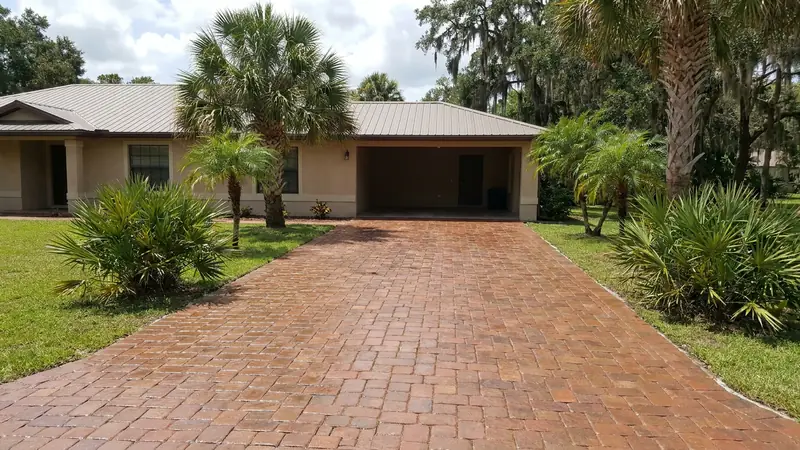
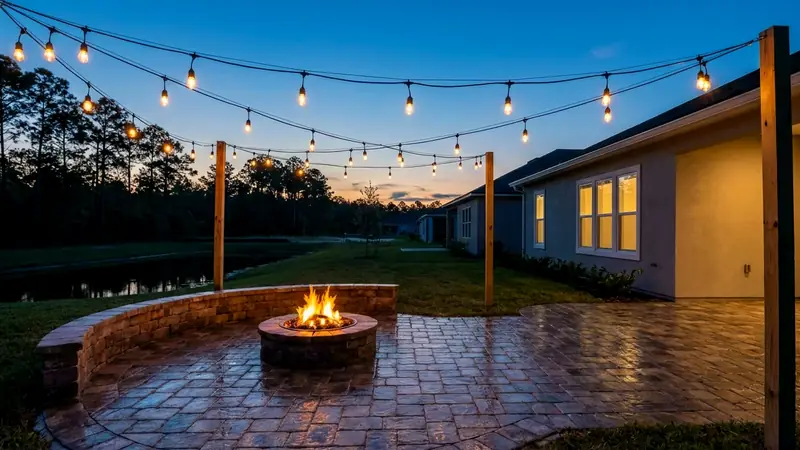
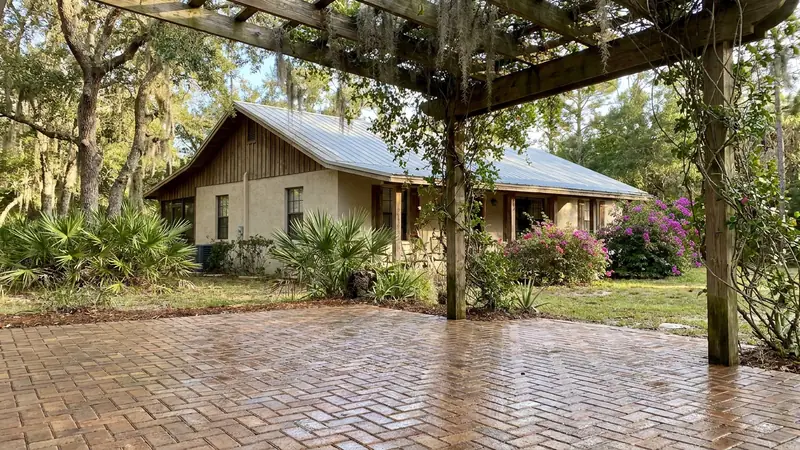
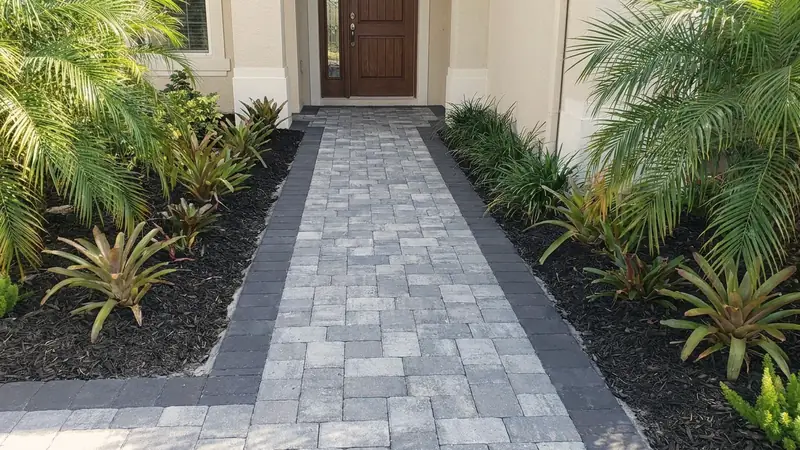
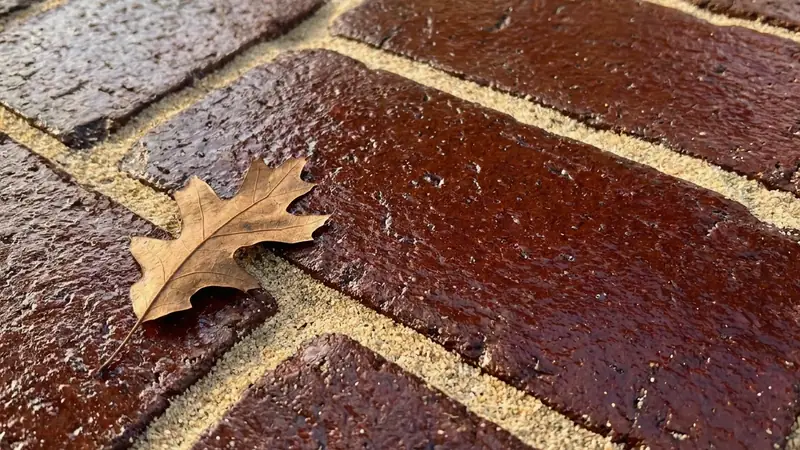
How do Highlands pavers look after a fresh seal?
How does the paver sealing process work from start to finish?
Nearly every job moves through five steps, from the first look to the closing walk-through. To get on the calendar, call (904) 479-2177.
1. Measure and inspect
The contractor measures the space so the sealing quote rests on real square footage. Low spots, loose pavers, old sealer and puddles all get noted.
2. Cover and wash
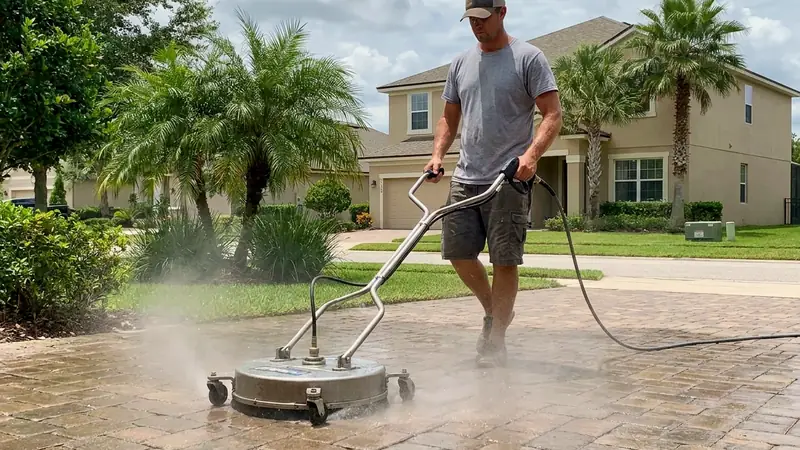
The contractor covers plants, screens and the garage door and turns the sprinklers off. A rotary surface cleaner washes the pavers gently, since Western Interlock advises staying under about 1,500 PSI.
3. Treat the stains
Rust, mildew and leaf tannin each meet a cleaner made for that stain, tested first on a small patch. Muriatic acid is not advised.
4. Refill the joints
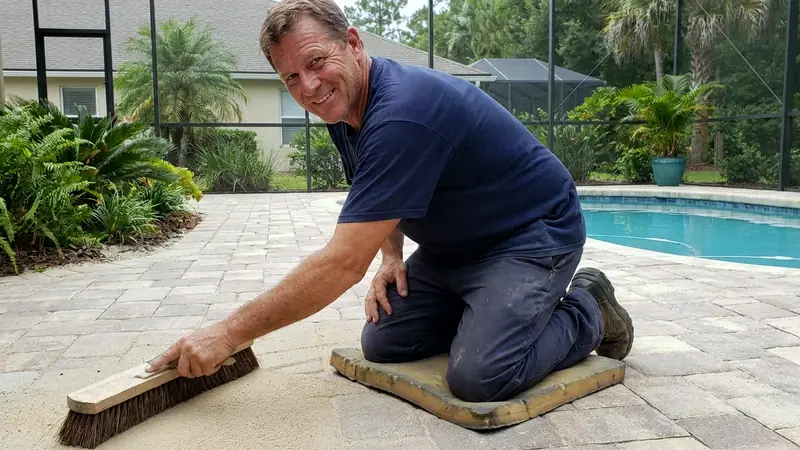
After the pavers dry out, kiln dried joint sand is swept in, settled and topped off. Loose leftovers are cleared away.
5. Seal and walk the job
If sealer is in the plan, a sprayer lays it down and a dry roller smooths it. Then the contractor walks the area with you and says how long feet and cars should stay off.
Frequently Asked Questions
How much do people charge to seal pavers?
One Northeast Florida washing company publishes a range of $1.75 to $3.25 per square foot for the full clean, sand and seal. A small patio usually costs more per foot than a large driveway. Stripping failed sealer and replacing joint sand usually cost extra.
Is it good to seal pavers in Florida?
For most pavers, yes. Unilock, a paver maker, says sealer helps pavers resist fading, moisture and mildew and keeps a patio easier to sweep and wash. Expect to repeat it every few years, which is a cost to plan for.
Can I clean, sand and seal my pavers?
Yes, and in that order. The pavers are washed and dried, new joint sand goes in, and sealer follows once the surface is completely dry. A Northeast Florida washing company says most failed jobs trace back to coating dirt or damp pavers.
Is it better to spray or roll paver sealer?
Plenty of contractors use both. Unilock suggests a sprayer for open areas and a roller for edges, then a dry roller pass to pick up extra product and prevent streaks. A smooth, even coat matters more than the tool that put it down.
How much does it cost to seal outdoor pavers in Highlands?
At $1.75 to $3.25 per square foot, a patio and walkway totaling 1,000 square feet would run about $1,750 to $3,250. One local price guide lists pool decks at $1.50 to $3.00 per square foot. Brick and stone can add 15 to 30 percent.
How long does sealer last on pavers in Highlands?
Count on two to five years. A Northeast Florida paver company gives that range, and Unilock says many homeowners reapply every three to five. Strong sun, pool chlorine and summer storms push toward the short end.
Is there a downside to sealing pavers?
A few. It is a repeat cost, high gloss can turn slippery when wet, and sealer applied over damp pavers may cloud up. Unilock also points out that a coat cannot cure poor drainage or a weak base.
When should I seal pavers in Highlands to avoid summer rain?
Choose a dry window and remember that rain falls most from May through September. Unilock calls for 24 to 48 hours of clear skies beforehand. One Northeast Florida washing company points to fall as the drier choice.
How long should I stay off pavers after sealing?
Give it a day or two. Unilock asks for up to 48 hours of dry weather while the coat cures, so keep cars off the surface and the sprinklers shut. The label on the product spells out exact times.
Want a sealing price you can compare?
Ask for the free estimate, and a contractor answers inside 1 business day, usually sooner.
Free, no obligation